LOS ANGELES, CA – January 15, 2026 – PRESSADVANTAGE –
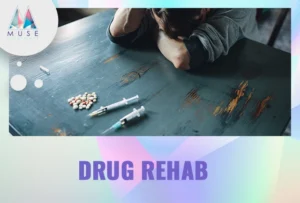
Muse Treatment Alcohol & Drug Rehab Los Angeles has released a new educational resource examining the clinical risks and mechanisms of respiratory depression caused by opioid use. The article, titled “How Dangerous Is Respiratory Depression From Opioids“, presents medically grounded information intended to support patients, families, and healthcare professionals seeking clarity on one of the most serious and life-threatening consequences of opioid exposure.
Data from the Centers for Disease Control and Prevention consistently identify respiratory depression as a primary driver of opioid-related overdose deaths in the United States. Opioids suppress activity in the brainstem centers responsible for breathing, which can lead to dangerously slow or irregular respiration, reduced oxygen levels, and loss of consciousness. The National Institute on Drug Abuse reports that this risk increases significantly with higher doses, prolonged use, and the combination of opioids with other central nervous system depressants such as alcohol or benzodiazepines. Peer-reviewed research published in journals including The New England Journal of Medicine has shown that respiratory depression can occur unpredictably, even among people with prior opioid tolerance.

The newly published article explains how respiratory depression develops at the physiological level, describing how opioid receptor binding alters neural signaling that regulates breathing. Guidance from the Substance Abuse and Mental Health Services Administration recognizes this mechanism as a key factor in opioid-related mortality. It emphasizes that understanding is essential for effective prevention and treatment planning. By translating complex medical research into accessible language, the resource helps patients better understand why opioid misuse carries such significant risks and why structured treatment is often necessary.
This educational initiative aligns with the clinical framework for Muse Treatment, which delivers opioid addiction care through evidence-based drug rehab models recognized by national health authorities. Information on available programs can be found at the Muse Treatment website. Services include residential drug rehab programs designed to provide medically supervised care for patients with moderate to severe substance use disorders, as well as drug rehab with MAT, which combines FDA-approved medications with behavioral therapy to reduce withdrawal symptoms and overdose risk. SAMHSA has identified medication-assisted treatment as one of the most effective approaches for reducing opioid-related mortality when appropriately implemented.
Patients accessing care often come from surrounding neighborhoods where proximity and continuity influence treatment engagement. Westwood is among the communities served, reflecting demand for nearby drug addiction treatment centers that emphasize medical oversight. Westwood Village is also represented, underscoring the importance of accessible care when people search for drug rehab near me and related services. Little Holmby and Holmby Hills similarly rely on localized treatment availability that supports consistent participation and follow-up.
The reach of treatment extends to Bel Air, where families often seek structured, clinically grounded programs informed by public health guidance. Brentwood Glen is included as well, highlighting how neighborhood-level access can reduce barriers to initiating evidence-based drug rehab. Sawtelle reflects similar patterns, reinforcing the value of nearby residential drug rehab programs for patients requiring intensive support. Century City is also represented, demonstrating the regional scope of care for people seeking medically informed treatment options.
National outcome data support the approaches discussed in the article. The National Institute on Drug Abuse reports that relapse rates for substance use disorders are comparable to those of other chronic conditions, such as hypertension and diabetes, indicating that sustained, structured care is critical. Programs offering residential drug rehab programs combined with step-down services and medication-assisted treatment are better positioned to address both the biological and behavioral aspects of addiction, particularly when respiratory depression risk is present.
The article also contributes to broader public health education efforts. The CDC notes that many opioid overdose deaths involve polysubstance use, which amplifies respiratory suppression. Increased awareness of this interaction has been linked to expanded use of MAT and closer clinical monitoring. By addressing respiratory depression directly, the resource supports prevention-focused education grounded in federal data and peer-reviewed research.
Accreditation and regulatory oversight further inform the clinical standards reflected in Muse Treatment programs. Organizations such as The Joint Commission emphasize evidence-based practice, medication management, and patient safety as benchmarks for quality addiction treatment. Independent evaluations have shown that accredited drug addiction treatment centers demonstrate stronger adherence to clinical protocols and improved coordination between medical and behavioral health services.
Search analytics from healthcare research firms indicate growing public interest in opioid safety, overdose prevention, and evidence-based drug rehab options that integrate medication-assisted treatment. As digital resources increasingly guide healthcare decisions, educational content supported by third-party evidence plays a critical role in helping patients and families evaluate treatment pathways.
By publishing this resource and integrating it within a broader continuum that includes residential drug rehab programs and drug rehab with MAT, Muse Treatment reinforces the role of education as a foundational element of effective addiction care. The article serves as a reference point for patients and families seeking clarity on opioid-related respiratory depression while supporting broader efforts to reduce preventable harm and improve recovery outcomes through medically informed, structured treatment.
###
For more information about Muse Treatment, contact the company here:
Muse Treatment
David Rofofsky
(800) 426-1818
info@musetreatment.com
1251 Westwood Blvd, Los Angeles, CA 90024